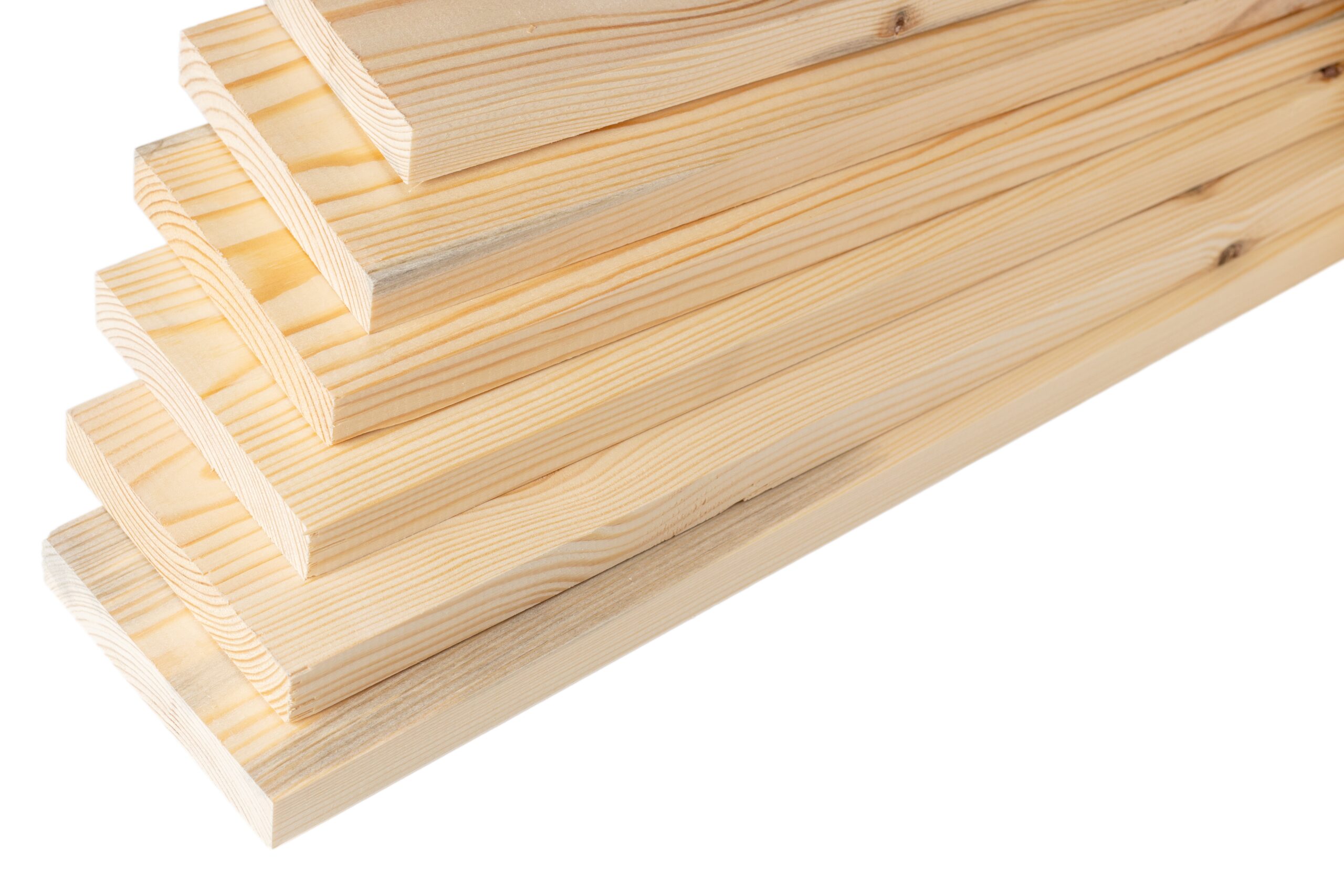
The plywood maintains structural integrity longer than untreated wood during a fire, and is manufactured to meet ASTM E84 (Class A) or CAN/ULC S102-10 standards.
| Spec | Detail |
|---|---|
| Treatment | Pressure-impregnated with fire-retardant chemicals, then kiln-dried |
| Fire performance | Flame spread index of 25 or less (Class A) |
| Standards | CAN/ULC-S102 · ASTM E84 |
| Thicknesses | 1/2 in · 5/8 in · 3/4 in |
| Panel size | 4 ft × 8 ft |
| Moisture content | Re-dried to 15% or less after treatment |
| Typical use | Interior, protected from weather |
| Applications | Roof sheathing, wall sheathing, partitions, backer panels, commercial interiors |
Need fire retardant lumber for the same job? We also supply fire-retardant-treated dimensional lumber and timber.
Class A is the highest surface-burning rating, with a flame spread index of 0–25. Fire-rated plywood tested to CAN/ULC-S102 or ASTM E84 falls in this class.
No. The plywood slows surface flame spread. A fire-resistance rating (for example, 1-hour) applies to a full wall or floor assembly that has been tested as a system. Always confirm assembly requirements with the designer or code official.
Yes. Panels can be crosscut, ripped and drilled without affecting their fire performance.
Standard fire-retardant plywood is made for interior or protected use. Exterior applications need a product formulated for weathering. Ask our team what's available.
Fire-retardant-treated wood is no more corrosive than untreated wood under normal conditions, and it accepts paint well when dry. Follow the treater's fastener guidance for high-humidity areas.
Each panel carries a stamp from the treater and the certifying agency showing the rating and standard. Inspectors look for it, so keep stamps visible where possible.
Explore our full range of building solutions, including premium boards, engineered materials, decking, siding, and panel products.